At the heart of this policy is a simple yet difficult question: how do we balance the benefits of connection with the need to protect children from harm?
Why the Ban Exists
For years, researchers and educators have raised alarms about the effect of social media on mental health. Studies have linked heavy screen use in children to anxiety, poor sleep, and attention problems. Online bullying and harmful content have only added to the concern.The government argues that childhood should not be shaped by constant scrolling, notifications, and algorithm-driven feeds. By drawing a firm line at age 16, leaders hope to give teenagers space to grow without the pressures of a digital stage. The United Nations and several international groups have applauded the move as a bold experiment in child protection.
How It Will Be Enforced
The law requires platforms such as TikTok, Instagram, YouTube, and Snapchat to block under-16s from opening accounts. To do this, they must adopt stronger age verification tools. That could mean ID checks in some cases, but the government is encouraging systems that are less intrusive, like AI-based age estimation or account behaviour analysis.Still, many believe this will be one of the hardest parts of the policy. Teenagers are famously resourceful, and reports already highlight the use of VPNs, false profiles, and even disguises to bypass age checks. Logged-out browsing adds another challenge, since platforms can serve algorithm-driven content to users without accounts. Critics argue that blocking sign-ups will not eliminate exposure to potentially harmful content.
The Pushback From Platforms
Tech companies are far from quiet on the issue. YouTube has already laid out legal arguments to challenge its inclusion under the ban, claiming the law may be too broad and even unconstitutional. Some digital advocates worry that the rules could unintentionally affect educational resources like Wikipedia, which students rely on for schoolwork.Others say the law risks setting a precedent where governments overreach into online spaces. But supporters counter that social media platforms have had years to self-regulate and have failed to address children’s safety effectively.
The Bigger Picture for Young People
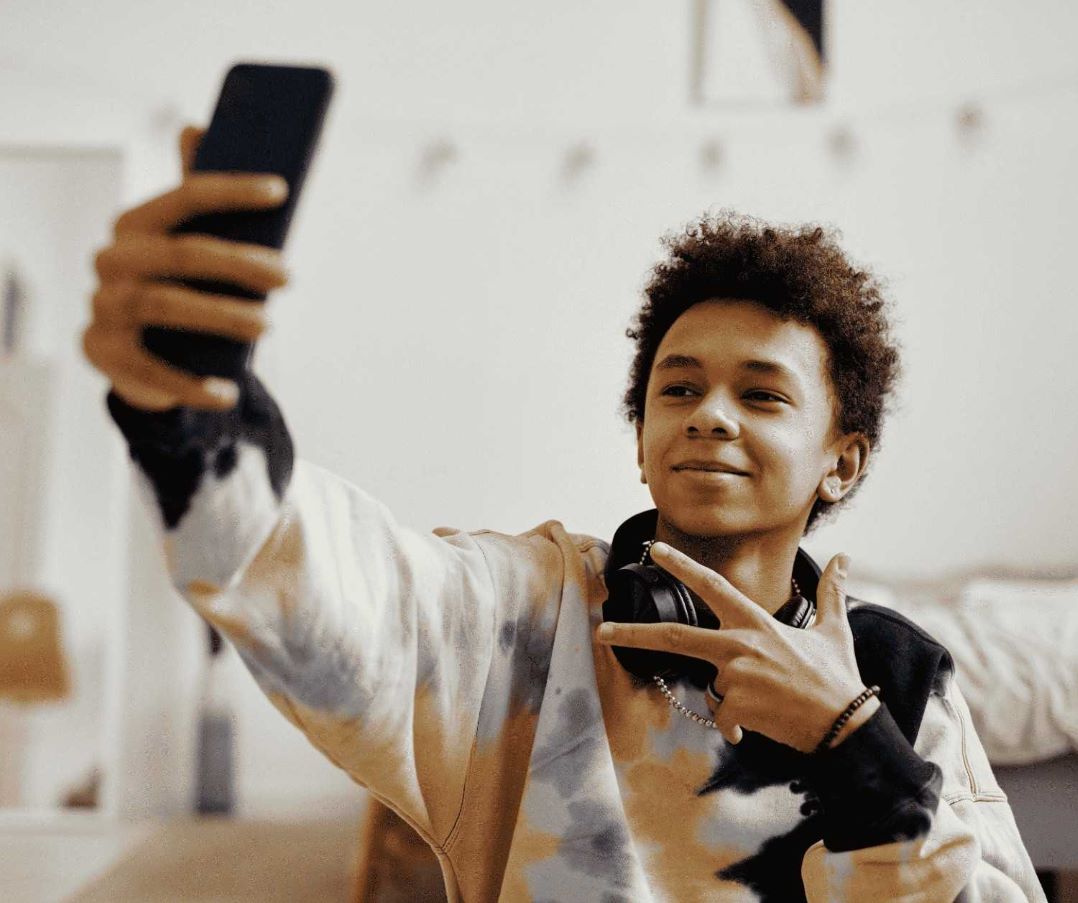
For teenagers, the ban will mean a very different digital childhood. Messaging friends, sharing videos, and building online identities will suddenly have new limits. Some schools and parents see this as a blessing, hoping it will reduce distraction and stress. Others worry it could create a digital divide, where younger teens miss out on important digital literacy skills or feel excluded from peer culture.What’s clear is that the conversation is no longer about whether children should be on social media, but how society wants them to engage with the internet at all.
A Turning Point for Digital Policy
This is more than an Australian story. Governments worldwide are watching closely. If the policy works, it could inspire similar bans elsewhere. If it fails, it may serve as a cautionary tale about the limits of law in a borderless digital world.Either way, it marks a turning point: the internet is no longer treated as a free-for-all space for young people. Rules are being written, and they will shape the next generation’s relationship with technology.
Final Thoughts
The ban is ambitious, messy, and controversial. It is also historic. Australia has forced a global conversation about the role of social media in childhood and the responsibility of platforms to safeguard young users.The next few years will show whether this bold experiment creates healthier online habits or whether it sparks a wave of workarounds that prove too difficult to police. One thing is certain: the way children grow up online will never be viewed the same again.
At Marketing Assistants, we help brands adapt to shifting digital landscapes. Whether it’s new regulations, evolving platforms, or changing audience behaviour, we keep your strategy sharp and future-ready. Let’s build campaigns that connect meaningfully in this new era of digital life. Talk to us today!